Maintaining a strong credit profile is crucial for many early-stage Canadian businesses, particularly as they seek to secure financing, lease commercial space or negotiate terms with vendors. While paying bills on time supports credit health, growth introduces additional cost considerations. Payroll expenses should be factored into financial projections when a business plans to hire people. Understanding what counts as a payroll expense and how payroll fits into overall operating expenses can help small business owners plan more accurately as their teams grow.
Table of Contents
- What is a payroll expense?
- How do payroll expenses work?
- Examples of payroll expenses for employers
- Payroll expenses for independent contractors
- Payroll processing fees
- How to manage payroll expenses
- How the accrual method helps with payroll expenses
- Other types of operating expenses
- Planning payroll expenses with confidence
- FAQs
What is a payroll expense?
A payroll expense is any direct or indirect cost an employer incurs because of compensating people for work performed. For Canadian businesses, this includes employee wages or salaries, employer payroll taxes, benefits and payroll processing fees. Payroll is often one of the largest operating expenses on a company’s income statement.
How do payroll expenses work?
Payroll expenses accrue throughout each pay period. At the end of the period, employers calculate total payroll costs by accounting for:
- Gross pay owed to employees
- Employer payroll taxes and statutory contributions
- Benefits costs
- Payroll processing and administration fees
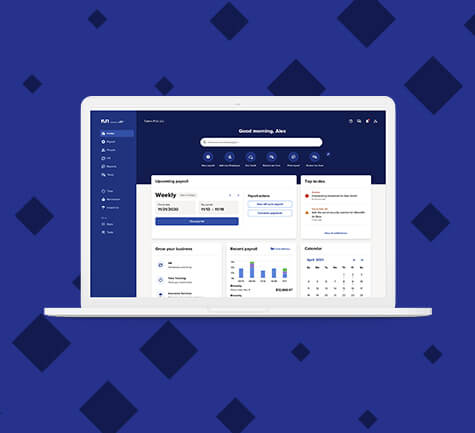
Learn how simple small business payroll can be.
Compare packagesExamples of payroll expenses for employers
Payroll expenses can be categorized as either direct or indirect, and as either fixed or variable, depending on the type of cost. Common examples include:
- Employee compensation: Consists of salaries, hourly wages, overtime pay, commissions and bonuses. Salaries are typically fixed costs, whereas overtime and variable pay fluctuate in response to business activity.
- Employer payroll taxes and statutory contributions: Employers are required to contribute to Canada Pension Plan (CPP), Employment Insurance (EI), and provincial payroll programs where applicable.
- Employee benefits: May include extended health and dental plans, life insurance, disability coverage and employer-sponsored retirement or savings plans.
- Payroll administration and compliance: Costs include payroll software, hiring a payroll administrator or contracting a payroll service provider. Staying compliant with employment standards helps reduce the risk of penalties and retroactive adjustments.
Payroll expenses for independent contractors
Payments made to independent contractors are generally not classified as payroll expenses. Instead, they’re recorded as professional or subcontracting expenses, as independent contractors are not technically classified as employees of the company.
Proper work classification is critical. Misclassifying employees as contractors can result in unexpected payroll tax liabilities, interest and penalties under Canada Revenue Agency (CRA) rules.
Payroll processing fees
Payroll processing fees may include:
- Software subscription fees
- Third-party payroll service fees
- Year-end reporting or tax filing fees
- Direct deposit fees
These costs vary depending on payroll complexity, number of employees and pay frequency.
How to manage payroll expenses
While payroll is a necessary cost of doing business, small businesses can take steps to manage payroll expenses more effectively:
- Reducing mistakes and rework: Miscalculations, incomplete payroll records and other common payroll mistakes can be costly. To minimize risk, working with a payroll service provider can help you automate payroll processing, reducing the likelihood of manual error.
- Reviewing overtime patterns: Consistently high overtime may point to scheduling inefficiencies. Time and attendance solutions enable the accurate tracking of hours worked and can help identify opportunities to balance workloads without increasing overall labour costs.
- Go digital: Mailing pay cheques incurs paper supply, printing and postage expenses. Employers can reduce these costs by offering electronic payments, such as direct deposit. As a bonus, electronic payment methods are more convenient for employees and may improve their engagement.
How the accrual method helps with payroll expenses
Under the accrual method of accounting, payroll expenses are recorded when employees earn their wages, not when payments are issued. This provides an accurate view of labour costs within each reporting period and helps align payroll expenses with revenue.
For growing businesses, accrual accounting can help improve budgeting, forecasting and financial reporting accuracy.
Other types of operating expenses
Payroll is only one part of operating expenses. Other common operating costs include:
- Workplace expenses: Having a physical work location or job site usually requires paying rent and utilities and purchasing office supplies, tools or equipment.
- Sales and marketing expenses: Advertising, website maintenance, social media activity, promotional materials, shipping fees and customer acquisition costs help generate revenue and support business growth.
Planning payroll expenses with confidence
Understanding payroll expenses helps Canadian small businesses make more informed financial decisions as they grow. From employer payroll taxes and payroll fees to how payroll is classified as an operating expense, having clarity around these costs supports better budgeting, forecasting and cash-flow planning. For businesses seeking to simplify payroll management and stay aligned with Canadian requirements, exploring a payroll solution designed for small businesses can be a helpful next step.
ADP Canada’s payroll checklist provides a guide to the latest payroll software tools, which you can use to evaluate vendors.
Looking to learn more?
Explore how the right payroll and HR support can help simplify compensation planning as your business grows. Read our guide to evaluating new payroll and HR providers.
FAQs
Is payroll an expense?
Yes, payroll is an expense. It represents the total compensation that a company pays to its employees, including wages, salaries and related costs like payroll taxes and benefits.
What are operating expenses?
Operating expenses are costs incurred by a business during its normal business operations. These expenses are necessary for the day-to-day functioning of the business and include items such as rent, utilities, salaries, office supplies, depreciation and marketing costs. Operating expenses do not include costs related to production or the cost of goods sold (COGS).
Is payroll tax expense an operating expense?
Yes, payroll tax expense is considered an operating expense because it is related to the regular operations of a business and is incurred as part of employing staff.
Is payroll an operating expense?
Yes, payroll is considered an operating expense because it supports core business activities and ongoing operations.
Where would payroll expenses appear in financial statements?
Payroll expenses typically appear in the income statement as part of operating expenses. They can be itemized under categories such as “salaries and wages." Additionally, payroll liabilities may be reported on the balance sheet as current liabilities, reflecting amounts owed for salaries, taxes and benefits that have not yet been paid.
What is the difference between salary expenses and payroll expenses?
Salary expenses are a type of payroll expense referring to the fixed regular payments made to employees, often on a monthly or biweekly basis, for work performed.
Payroll expenses are broader, encompassing a broader range of costs associated with employing staff. This includes salary expenses, as well as wages for hourly workers, bonuses, commissions, payroll taxes and employee benefits, such as health insurance and retirement contributions.
All salary expenses are part of payroll expenses, but payroll expenses include more than just salaries.
Is payroll a liability?
Payroll can be considered a liability. When a company owes wages and salaries to its employees but has not yet paid them, this amount is recorded as a payroll liability on the balance sheet. Additionally, any payroll taxes and benefits that are due to be paid to government agencies or benefits providers are also classified as liabilities until they are settled.
This guide is intended to be used as a starting point in analyzing payroll expenses and is not a comprehensive resource of requirements. It offers practical information concerning the subject matter and is provided with the understanding that ADP Canada is not rendering legal or tax advice or other professional services.