insight
Paperless payroll: Benefits, compliance and how to get started
Ready to simplify payday? Learn how ADP can help you streamline payroll.
Many business processes have shifted to digital, and payroll is no different. While some small and midsized employers still use spreadsheets or paper cheques, paperless payroll can be quicker and easier. Moving to electronic payroll can help Canadian employers meet their Canada Revenue Agency (CRA) compliance obligations, cut costs and provide employees with easy access to their pay information. Employers who haven’t yet made the switch should consider the many advantages of going paperless.
Table of Contents
What is paperless payroll?
Paperless payroll, sometimes called electronic payroll, is a payroll system that eliminates paper cheques and manual processes. Instead, employers use paperless payroll software to run payroll online. These systems typically calculate wages, manage deductions and handle remittances to the CRA and provide employees with digital pay statements.
For a fully digital experience, paperless payroll systems can also integrate with time tracking tools, so hours worked automatically flow into payroll. The integration can help facilitate accuracy while saving employers and employees time. With time and attendance software, businesses can streamline scheduling, track hours more efficiently and support accurate and compliant payroll runs, all without relying on manual timesheets.
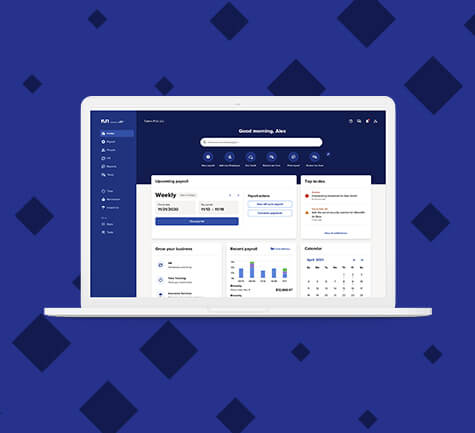
Learn how simple small business payroll can be.
Compare PackagesHow does paperless payroll work?
A paperless payroll system uses secure, cloud-based technology to manage all payroll processing steps. Employers enter employee information, such as salary, hours worked, tax details and benefits. The software then automatically calculates gross-to-net pay.
The system also deducts statutory amounts, including Employment Insurance (EI), Canada Pension Plan (CPP) and federal and provincial or territorial taxes. After calculations, many providers will remit payroll taxes directly to the CRA on behalf of the employer, helping to prevent late or missed payments.
Employees benefit from self-service portals where they can securely access their digital pay stubs, tax forms and personal information at any time. Instead of waiting for a paper cheque, their wages are deposited directly into their bank accounts.
This shift away from paper cheques can improve efficiency, help businesses meet their payroll compliance obligations, and offer a modern, convenient experience for employees.
What are the benefits of paperless payroll?
While reducing paper waste is a clear benefit, there are many other potential advantages of paperless payroll for Canadian employers:
- Lower payroll costs: Printing and distributing cheques can be costly. Moving to electronic deposits and digital pay statements can help businesses save money on printing, postage and storage.
- Improved security: Many paperless payroll providers also include encryption and multi-factor authentication for extra protection.
- Greater consistency: Pay cheques sent by mail can be delayed because of weather or holidays. With paperless payroll, employees gain access to a consistent experience.
- Increased efficiency: Automated payroll calculations reduce manual errors and cut down on administrative time. Employees can concentrate on strategic tasks instead of paperwork.
- Better access: Self-service tools enable staff to view their pay stubs, manage personal information and access tax forms at any time and from anywhere, enhancing transparency and employee satisfaction.
Is paperless payroll a good fit for your business?
Deciding whether to switch to paperless payroll services depends on your business’s priorities and operational needs. The following is a list of key factors Canadian employers should consider before making the change:
- Administrative workload: Whether your team spends too much time processing cheques or managing manual spreadsheets, paperless payroll can help you streamline inefficient workflows.
- Employee expectations: Today’s workforce increasingly prefers direct deposit, mobile access and digital pay stubs. Offering these features may help with recruitment and retention.
- Compliance requirements: Paperless payroll systems can help businesses follow CRA remittance rules and meet provincial employment standards, but you still need to obtain employee consent and provide access to pay records.
- Cost efficiency: Compare the costs of printing, storing and distributing paper cheques with the subscription fees of a paperless payroll provider. Many businesses find that the switch reduces long-term expenses.
- Scalability: If your organization is growing, a paperless payroll solution can adapt more easily than manual methods, helping you facilitate accurate and timely pay as head count increases.
Employers can consider these factors to decide if paperless payroll aligns with their short-term goals and long-term growth plans.
What do paperless payroll providers offer?
When employers partner with paperless payroll providers in Canada, they typically gain access to:
- Automated payroll processing: supports accurate, fast and CRA-compliant pay runs
- Electronic payroll records: digitized storage that meets Canadian record keeping laws
- Employee self-service portals: convenient access to electronic pay stubs, T4 slips and year-end forms
- Direct deposit and flexible pay options: secure payments, helping you facilitate on-time pay for employees
- Integration with HR and time systems: streamlined processes for attendance, scheduling and payroll
Together, these payroll features can give Canadian employers a faster, more efficient way to manage payroll while meeting compliance requirements.
How to get started with paperless payroll
Employers accustomed to managing payroll with spreadsheets might feel anxious about changing their workflow; however, understanding the transition to a paperless payroll system can help maintain peace of mind. The basic steps are:
- Choose a provider: Find a paperless payroll software solution that matches your business size, budget and compliance requirements.
- Submit business and employee information: Payroll providers need details such as the CRA payroll account number, employee social insurance numbers and banking information.
- Obtain employee consent: Some provinces may require written approval for electronic pay.
- Integrate payroll with time and attendance: Connect your payroll system with scheduling or time tracking tools to support accuracy.
- Run a test cycle: Many payroll providers for small businesses will assist you in running a test before going live.
Simplify payroll with ADP
Switching to paperless payroll is easier with the right partner. ADP’s payroll solutions are built for Canadian businesses of all sizes, helping you save time, meet your CRA compliance obligations and give employees the convenience of digital access to their pay information.
FAQs
Is paperless payroll legally compliant?
Yes, paperless payroll is legally compliant in Canada as long as employers adhere to federal, provincial and territorial regulations. Employers must ensure that employees can access their pay information, either through a secure online portal or by providing printed copies upon request. Depending on the province, consent might also be necessary for electronic pay methods, such as direct deposit. Additionally, businesses are required to continue meeting record keeping obligations set by the CRA.
How secure is paperless payroll?
Leading providers use encrypted, cloud-based technology, secure logins and multi-factor authentication to safeguard sensitive payroll data. digital payroll data is stored in systems designed to reduce the risk of unauthorized access, fraud or identity theft.
What are the risks of paperless payroll?
Employers should consider potential issues such as system downtime, internet outages or cybercrimes. Choosing a reputable provider with strong data security, backup systems and ongoing support helps reduce these risks. Employers must also ensure employees are comfortable accessing digital pay information and provide alternatives where legally required. Overall, when managed properly, the advantages of paperless payroll generally outweigh the risks.
This guide is intended to be used as a starting point in analyzing paperless payroll and is not a comprehensive resource of requirements. It offers practical information concerning the subject matter and is provided with the understanding that ADP is not rendering legal or tax advice or other professional services.